
Trail running is the ultimate budget-friendly sport! All you need is shoes. 😜
So why are you hitting the start line of your local 50K decked out in $1000 worth of trail running gear? Your ancestors who chased down deer while barefoot would be… not disappointed, just confused.
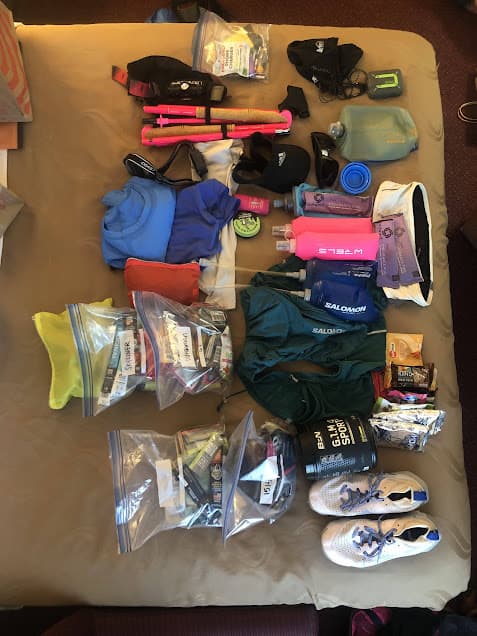
The truth is, it takes more than just shoes to have a comfortable, competitive trail running race experience in 2026. When we get into the ultra-length distances, having the right gear can even become a matter of safety. Modern trail ultras are more akin to a fastpacking eating contest than a casual jog through the woods.
What might look like the most budget-friendly sport ever can quickly turn into a very expensive hobby. For casual, short trail runs, you don’t need much. But in the ultrarunning realm, having quality gear can actually affect safety and injury risk. As a strapped-for-cash trail runner who still wants to succeed in ultramarathon racing, here is where I would spend and save when it comes to buying trail running gear!
Spend
Shoes
Having the right shoes can make or break your training and race. Not only does this mean finding the pair that fits you best, but also includes the cost of trial-and-error. If you are serious about preventing injury, sometimes you have to eat the cost if a pair of shoes are causing dysfunction in your running.
Even worse, running shoe companies are constantly changing their designs. While this is essential for improving technology over time, the shoe you loved last year might be gone forever this year. I have been able to save some money by buying gently-used running shoes for a steep discount. If I love them, I’ll buy them new for my next pair. Finding the best pair of trail running shoes is sometimes trial-and-error, but research goes a long way.

Socks
It took me years to hop aboard the “Specialty Running Socks” train, but once I did, I’m never getting off. I found a pair of Stance running socks at Sierra Trading Post for a discount, and could feel the extra support and cushion right away.
Taking good care of your feet is so important in a long trail ultramarathon. They get wet, sweaty, and the relentless friction will inevitably take its toll. Splurge on the moisture-wicking, supportive sock. Try out the toe socks. Find what works for your feet and use that.
Watch with a good battery
If you choose to run with a GPS-enabled watch to track fitness metrics and running stats, invest in one that can withstand longer efforts. My previous watch would die after a few hours of running. That isn’t a big deal most of the time, but became frustrating during ultramarathon races and 18+ mile runs. If you’re going to get a watch anyway, spend a little extra for one that has a battery capable of tracking long efforts.
Fuel (for your vehicle)
Part of the fun of trail running and ultramarathon training is exploring new trails. Keep some extra cash in the fuel budget so you can explore trails further from home. I think this is important for keeping training fun and exciting! It’s also great race training for your brain. If you’re used to running on unfamiliar trails, your brain will be better able to cope with an unfamiliar race course.
Waist light
If you’re planning to run at night, whether training or racing, reliable light sources are absolutely essential. Make sure you have a headlamp, backup batteries, and a backup headlamp. I tried a waist light during my last ultra and loved it! It illuminated the trail in front of me and cast shadows on obstacles like rocks and roots. The nicer waist lights aren’t cheap, but it was the one piece of gear I found most useful during the ultra.
Gym membership
Runners are known for skimping on strength work, but you can break the mold! For trail running especially, stability and injury prevention are so important. Spending some time in the gym (or getting your own equipment for home) is so worth it. Invest in building a strong body. This will take you further than any piece of plastic gear ever could.
Coach or training program
The decision whether to spend money on a coach or buy an individualized training program is a personal one. If you have the money, it is absolutely a good idea. Having a trustworthy coach and program saves time and guesswork and makes your training more efficient. However, if it’s not in the budget, there are tons of free resources out in the world. Books, podcasts, blog articles… educate yourself!
Save
“Trail-running-specific” clothes
Optimized specialty clothing is great to have, but is it necessary? No. Buying specialty clothes is one area where the costs can really add up, since you’re likely running 4-6 days a week. This is not to say there aren’t benefits to buying nice running clothes. A full wardrobe is not necessary! Run in what you have!
Fancy nutrition for every run
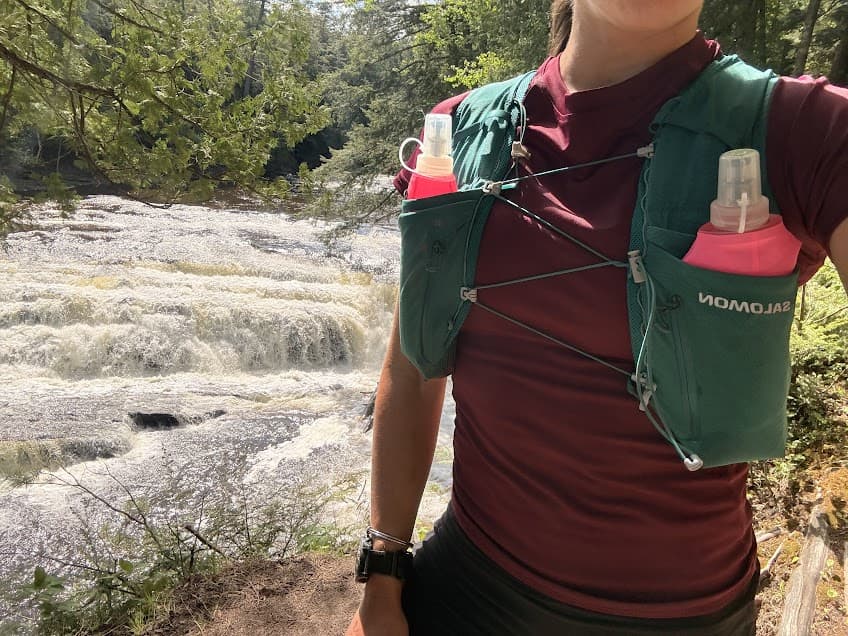
Gels are great. If you plan to use them for a race, you should train with them ahead of time. But you don’t need to buy all of the fancy, optimized sports nutrition products for every training run. There are cheaper ways to get carbs on board, even if they’re maybe less efficient for carb-loading. Buying expensive gels and drink mixes for daily training is simply not necessary for most runners. Get your fuel from the grocery store, and supplement with the expensive products as needed.
“Recovery tools”
Most runners need to spend years focusing on the basics (nutrition, training, skill-building) before they need to worry about optimization tools. Spending money on a cold plunge or sauna won’t get you very far if you are still under-fueling all your runs. Same goes for compression boots and guns that cost hundreds. All of these things are a luxury to have, so splurge if you want! Who knows, compression boots might change the game for you. But old fashioned stretching, mobility and massages are all free.
Running sunglasses
Every running influencer you see online has the $300 sporty sunglasses… in multiple lens colors. You don’t need expensive sunglasses to run in the sun!
Supplements
This is a tricky one, because every runner’s body has different nutritional needs. Choose the supplements you take wisely! So much money gets flushed down the toilet in the form of expensive supplements that are either not bioavailable, or you’re not deficient in to begin with. Blood work can help here.
Do plenty of research before buying supplements that promise to give you the “edge” in your racing. Like I mentioned above with recovery tools, focusing on the important things like training and nutrition must be taken care of first before adding supplements will give you any kind of performance benefit.
Trail Running Gear: Spend or Save?
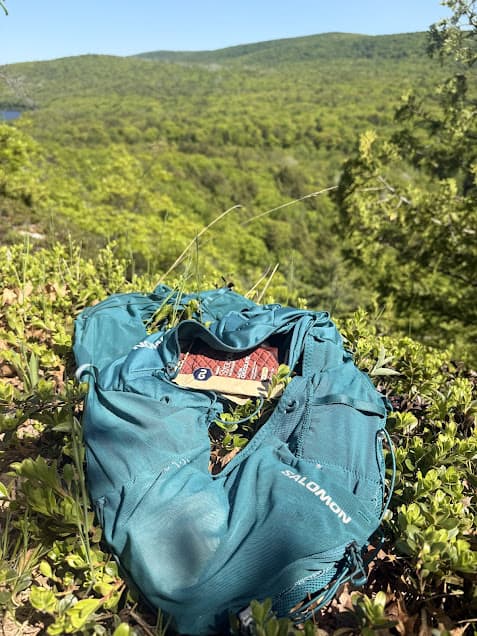
When it comes to the other accessories you’ll need for an ultra (vest, nutrition flasks, water flasks, fuel belt, gaiters, arm sleeves, ice bandana, hat, etc…), there are usually budget options as well as more expensive ones. Used vests can be found fairly easily. Pick what you like, and what works for you.
With any of the items listed above, you can always start with the budget option and upgrade if you feel that it would benefit you. Trail running doesn’t have to be expensive! Hope this helps if you feel that cost is a big barrier to entry. Start with shoes and the gear will come in time.