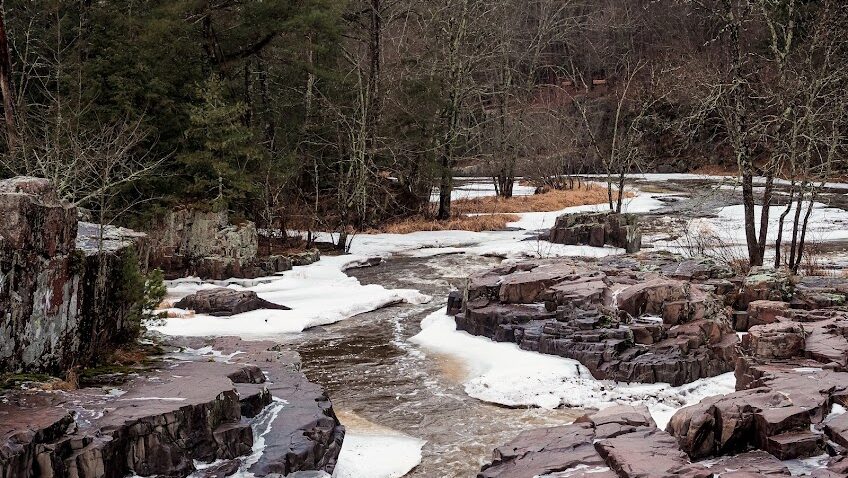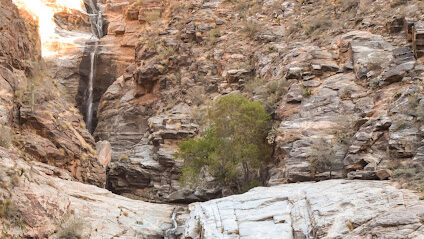
When we picture an elk in its natural habitat today, many of us think of a Rocky Mountain vista. However, elk are an incredibly adaptable species and can inhabit everything from coastal rainforest to rocky deserts. Historically, elk were found coast-to-coast in what is now the United States and Canada.
Today, the highest elk population numbers are in the western U.S., but several Midwestern states have reintroduced elk back into their native habitats. Thanks to successful reintroduction efforts, elk in the Midwest are doing well, and there are plenty of opportunities to observe them in their core areas.
Midwest Elk Reintroductions
Of the Midwest states, four have established wild elk populations:
- Wisconsin
- Michigan
- Missouri
- Minnesota
With the exception of parts of the Minnesota herd, these populations are the result of reintroduction projects conducted by state wildlife management agencies. Coordinating an elk reintroduction project involves capturing elk from an area with a strong population (usually the Rockies or Kentucky) and moving them to the new core area. Elk are evaluated by veterinarians and typically held in an enclosure for a limited amount of time to allow them to acclimate after transportation.
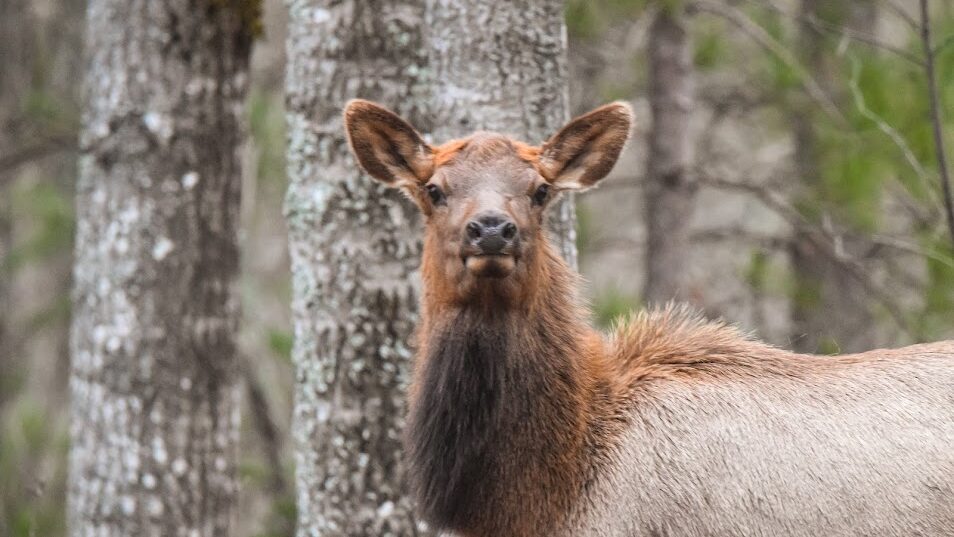
Where To See Elk in the Midwest
Wisconsin
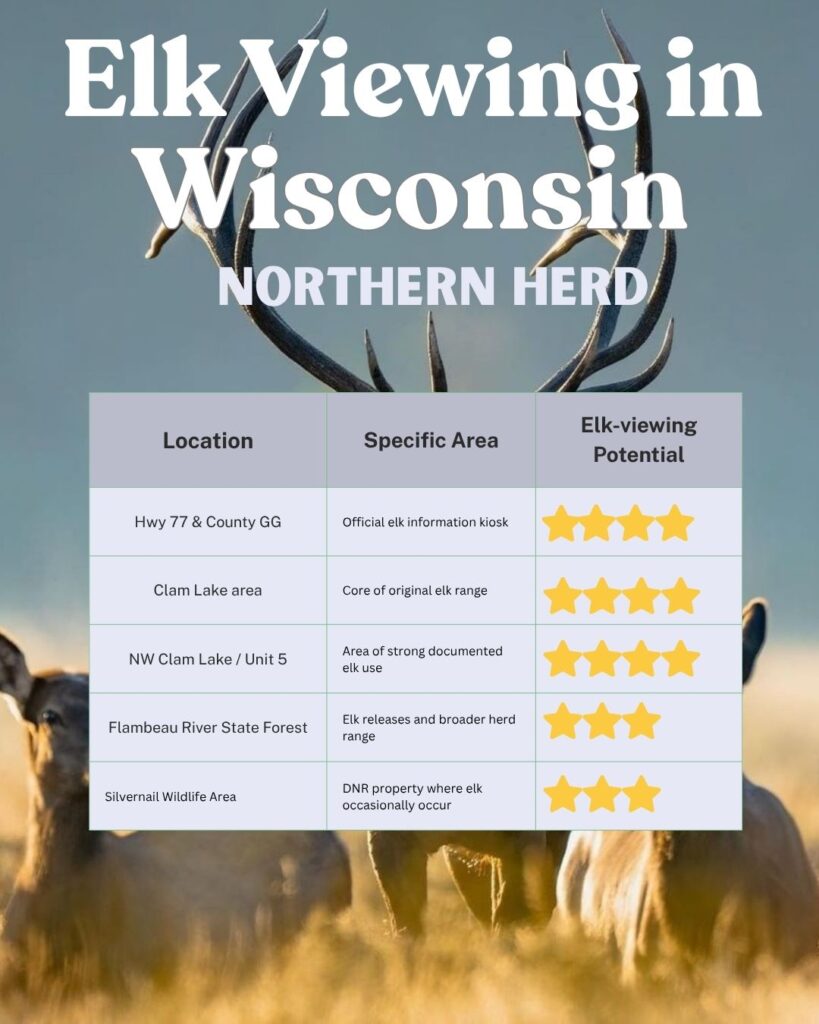
Wisconsin has two established elk herds: the Clam Lake herd in the north and the Central Elk Herd in west-central Wisconsin.
Clam Lake Elk Herd
The elk in the Clam Lake herd were originally reintroduced in 1995. In 2017 and 2019, the herd was supplemented with animals translocated from Kentucky. The habitat in the Clam Lake area is mostly forested public and private lands with lakes throughout the area.
In the 1960s, the US Navy constructed an “Extremely Low Frequency” (ELF) transmission line through the Chequamegon-Nicolet National Forest near Clam Lake for the purpose of communicating with submarines. Today, the ELF corridor provides good elk habitat since it is maintained as a 20-to-300-foot-wide opening. As of summer 2026, the population is estimated to be 380 animals inhabiting a core range of 500 square miles throughout Ashland, Bayfield, Sawyer, Rusk and Price counties.
The core northern elk range in Wisconsin is the area around Clam Lake. There is an informational kiosk at Highway 77 and GG. The kiosk provides information about the Clam Lake elk herd, including viewing areas. This is a pretty good starting place, but the best way to see elk is to visit during the early morning or evening when they are most likely to be on their feet instead of bedded in the cover. Meadows, forest openings and ag areas are all good places to check for elk. Aspen regeneration sites are especially important habitat for the elk in the Clam Lake area.
Central Elk Herd
About 100 miles south of the Clam Lake elk range, the Central Elk Herd in Jackson County is comprised of about 250 elk as of summer 2026. The core range of the Central Elk Herd is primarily on Black River State Forest and Jackson County Forest lands intermixed with private ag land. County Road O is a popular spot to try to see elk since they can be seen out in the open feeding during the morning and evening. Additionally, the area around Wazee Lake is another area to check for Central Forest elk.
For the Wisconsin DNR’s map of the Central Elk Herd core area, click here.
Michigan
Michigan has the largest elk herd in the Midwest, with ~1200 animals in the herd. The modern elk herd in the mitten has been around since 1918, when seven elk were brought in from the Rockies. The core area of Michigan elk is in the northern part of the lower peninsula, northeast of Gaylord, on Pigeon River Country State Forest lands and the surrounding area.
The Michigan DNR maintains openings throughout the elk core range for feeding and wildlife viewing. A map of these viewing areas can be found here.
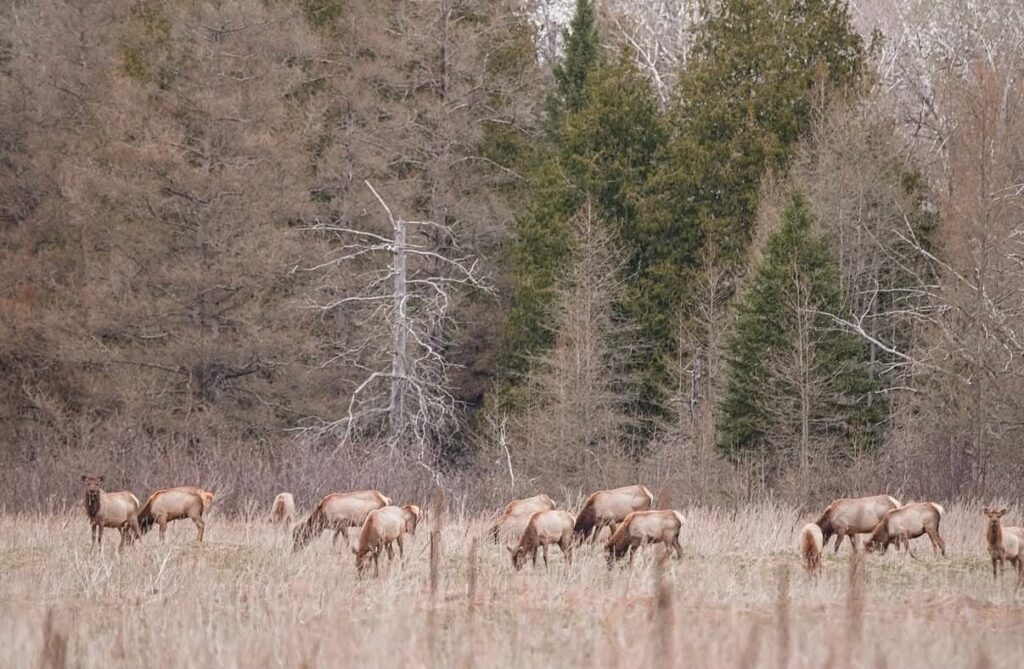
The best time to look for elk is in the early morning and evening. Elk are a crepuscular ruminant, so their typical pattern is feeding, then bedding down during the day to ruminate the large volumes of vegetation they consumed, then feeding again in the evening. Check wildlife openings, clear cuts and ag lands for your best chance at seeing some of the elk in Michigan.
Missouri
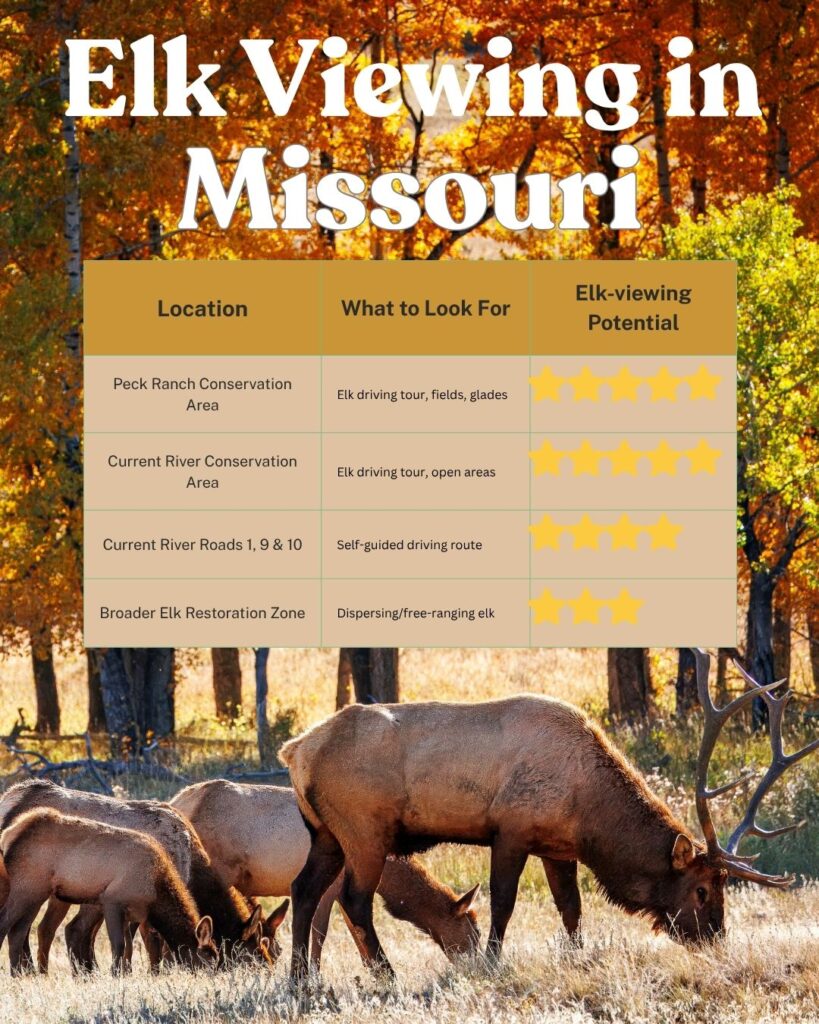
Missouri began the process of restoring its native wild elk herd to the state in 2000 with a feasibility study. However, the project was paused due to concerns over Chronic Wasting Disease. In 2010, the elk reintroduction project was revived, and 108 elk from Kentucky were released into Missouri from 2011-2013. The MDC has a goal of maintaining a population of about 500 elk in the state.
The core area for Missouri’s elk population is the habitat around Peck Ranch Conservation Area and Current River Conservation Area. Peck Ranch encompasses 30,000 acres of forest openings, oak-pine forest habitat, and streams to provide excellent habitat for the state’s elk. The 29,000-acre Current River Conservation Area is the other main destination for elk viewing in Missouri. The MDC has published suggested driving tours for elk viewing through the 346-square-mile Elk Restoration Zone. Click here for the MDC maps of the elk driving tours in southeastern Missouri.
Minnesota
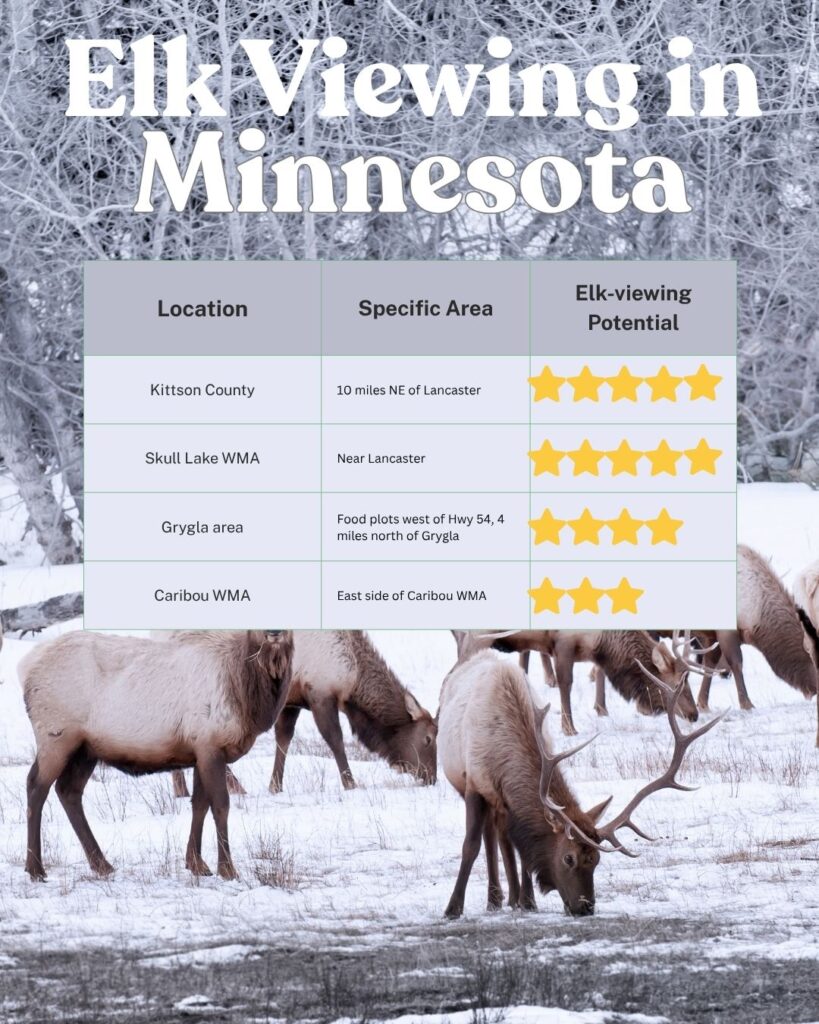
Approximately 200 elk in northwestern Minnesota make up three herds in two different areas of the state. The elk in Kittson and Marshall counties live in habitats ranging from aspen stands to prairie as the northwoods give way to the Great Plains. Much of the Minnesota elk herd lives on public lands, and can be seen from the road or by utilizing the walking trails maintained throughout the managed public lands.
Kittson-Central Herd
The Kittson-Central herd in NW Minnesota can be located approximately 10 miles northeast of Lancaster. The Skull Lake WMA is also a good place to look for the herd.
Caribou-Vita Herd
The Caribou-Vita herd, located 15 miles from Lancaster, is comprised of animals that often move between Manitoba and Minnesota. The herd can often be found on the eastern part of the Caribou WMA.
Grygla Herd
The Grygla Herd, found just north of Grygla, Minnesota, can often be seen on food plots. These food plots, planted for the elk, are along the west side of Highway 54.
More Midwest Wildlife Viewing:
Birding at Horicon Marsh in Wisconsin
Birding and Wildlife Viewing at Sax-Zim Bog in Minnesota