
Wisconsin is the home of some legendary conservation history! The preservation of Horicon Marsh is a direct product of that legacy. Carved out by the glaciers, the wetland that is now known as Horicon Marsh is the largest cattail marsh in the world. In my time living near Waupun, Wisconsin, I was fortunate to experience the marsh year-round. Read on for pro tips from me to you.
A globally important wetland, Horicon Marsh provides some of the best birding in the Midwest! The area is an important migration stopover and breeding site for more than 300 species of birds. Horicon National Wildlife Refuge’s trails, boardwalks and auto tour help showcase the wetlands, prairies, rivers and forests that make up this diverse ecosystem.
Conservation History of Horicon Marsh
Indigenous people have lived in the area around Horicon Marsh as early as 12,000 years ago. The abundant wildlife and natural resources provided by the freshwater wetland habitat sustained tribes for thousands of years. The marsh went through substantial changes after European settlement in the mid-1800s. Settlers at the south end of the marsh (modern town of Horicon) built a dam to power a sawmill. This raised water levels on the marsh and created the largest man-made lake in the world at the time. By the late 1800s, the dam was removed and water levels returned the marsh to its natural wetland state. Populations of ducks returned to the marsh, and the area gained popularity with hunters.
However, these early duck hunters came before the time of regulated, conservation-minded hunting we have today. The marsh was overhunted and residents attempted to drain it for muck farming purposes. Muck farming didn’t work out at Horicon due to the exposure of peat and the repeated fires this caused.
Deemed “useless” when drained or dammed, conservationists stepped in in the 1920s. The state of Wisconsin protected the southern third of the 30,000 acre marsh as a wildlife refuge. The U.S. Fish and Wildlife Service purchased the northern 20,000 acres in the 1940s. Together, the entirety of the marsh is now protected as a wildlife refuge and important breeding area for waterfowl and many other species.
Best Time for Birding at Horicon Marsh (Seasonal Guide)
Horicon Marsh provides the best birding close to Madison and Milwaukee, Wisconsin’s largest population centers. Depending on the time of year you plan to visit, the experience can vary drastically in regard to the species using the marsh.
Click Here for Horicon Marsh Bird Club’s Bird Checklist
Spring Birding (March-May)
As the ice cooks off the marsh, the wave of spring migrants begins. Sandhill cranes are usually one of the first harbingers of spring at Horicon Marsh, standing among powder-covered cattails waiting for the ice to melt off.
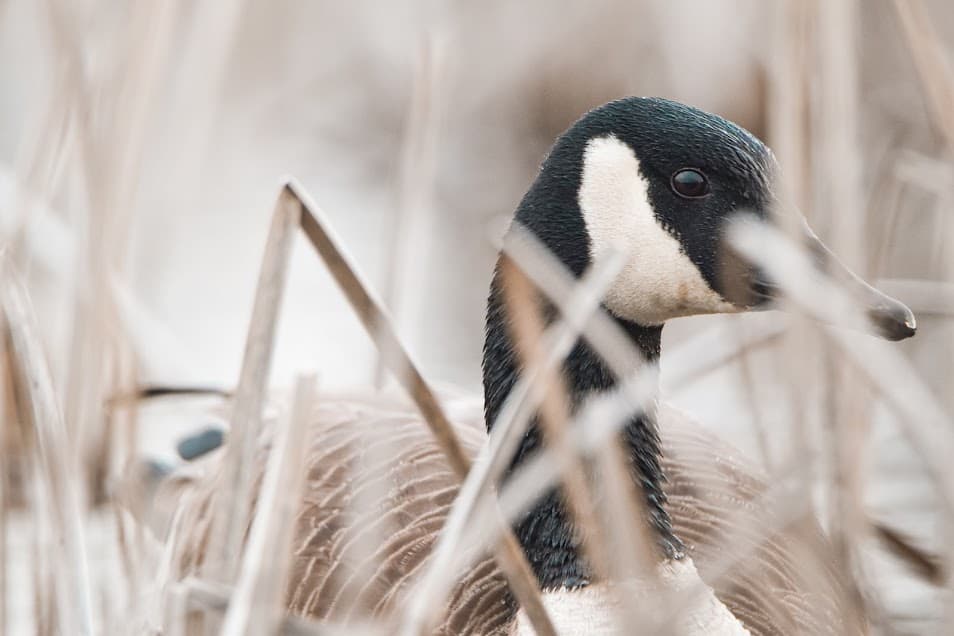
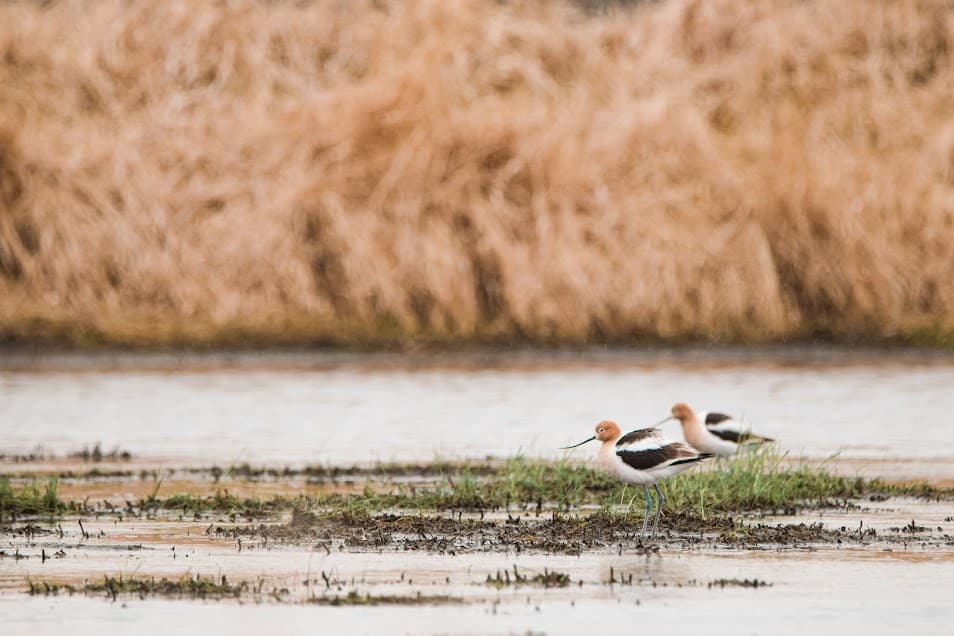
As spring progresses, the bird species composition of the marsh changes by the week. Tundra swans, migrating ducks, jewel-toned warblers, and of course Canada geese. Spring is a good time to see wading birds such as bitterns, black-crowned night herons, and egrets because the cattails are not quite as thick as they are later in the summer. Black-necked stilts, with their pink legs and tuxedo-like plumage, forage in shallow puddles among the marsh plants.
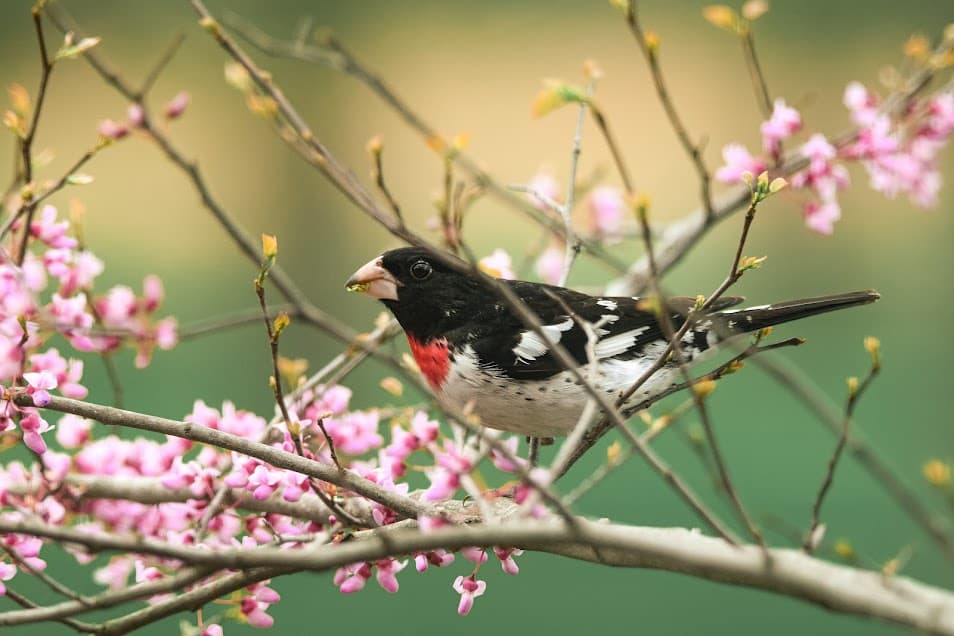
Spring is the best time to experience the diversity of birds at Horicon Marsh because of the variety of species migrating through, including those that might not nest in the area. Spring is also a great time for photographing wildlife at Horicon Marsh. Vegetation is not quite as thick and big leaves do not obscure small, darting warblers in trees from your camera lens.
Summer Birding (June-August)
After the explosion of spring migration settles down into the nesting season for most bird species, the marsh reaches a balanced rhythm of nesting, chick-rearing and growing. There are fewer crowds at Horicon during the summer, so quiet, more intimate hikes are possible.
Expect to see broods of mallards, wood ducks, Tundra swans and Canada geese among the cattails during the summertime at Horicon Marsh. Keep an eye out for nesting whooping cranes, sandhill cranes and passerine species, as well. Sora and Virginia rail vocalizations pierce quiet marsh mornings. Marsh wrens do the splits between the cattails as they scold you for looking at yellow-headed blackbirds through your binos. Terns (Forster’s tern, black tern) hover above staring down into the water as they forage.
By late summer, the shorebird migration is in full force. These species are some of the first to migrate south. Wilson’s snipe, pectoral sandpiper, greater and lesser yellowlegs, dowitcher, willet, least sandpiper and solitary sandpiper are all common shorebirds that use Horicon Marsh. The marsh also presents the opportunity to see less-common species such as red-necked phalarope, marbled godwit and ruddy turnstone, if you’re lucky.
Fall Birding (September-November)
Fall at Horicon Marsh brings the chance to witness a famous waterfowl migration stopover. As the largest freshwater marsh in the U.S., the marsh provides cover and food to tens of thousands of migrating ducks, swans and geese every fall.
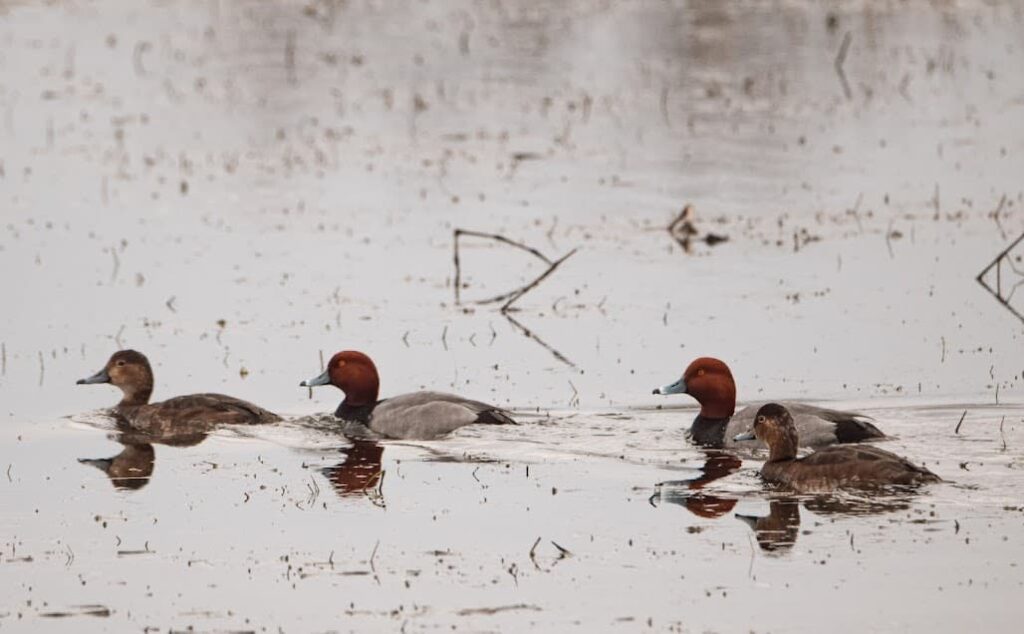
The diver ducks off of Route 49 provide excellent waterfowl-viewing opportunity as they are so close to the road. Ruddy ducks, canvasbacks, ring-necked ducks and redhead all forage in the pool just north of the road in the fall.
Historically, Horicon Marsh has been an important breeding site for redheads. The significance of the area to the thousands of redhead ducks that use it each year is part of the reason Horicon National Wildlife Refuge was established in the 1940s. Horicon provides the moist-soil wetland habitat and forage needed to support large populations of breeding redheads. For more information, see this 1985 paper on redhead food habitats at Horicon Marsh.
In addition to divers, dabbling ducks (mallards, Northern pintail, Northern shoveler, green-winged teal, blue-winged teal, American wigeon, gadwall, wood ducks) find forage and cover at the refuge on their own migrations. If you want to see ducks in the Midwest, you can’t beat Horicon for up-close looks at America’s most iconic waterfowl species.
Winter Birding (December-February)
When the marsh ices up, most of the birds will continue their migrations to warmer weather. The stillness and solitude at the marsh this time of year brings a special kind of beauty. Winter is a good time to see raptors such as rough-legged hawks, northern harrier, short-eared owl, and occasionally a snowy owl. Non-migrating species such as ring-necked pheasant and wild turkey are also visible at Horicon Marsh in the winter.
Closures and Seasonal Access at Horicon Marsh
Migration-related closures at Horicon Marsh
Access at Horicon National Wildlife Refuge changes throughout the year as birds move through their annual cycle of migration, breeding and nesting. To protect migrating and nesting birds, always check for closures of various areas of the refuge before you go.
Seasonal Trail and Road Access
Old Marsh Road, one of the main thoroughfares through the middle of the refuge, is closed during peak migration times to protect sensitive bird species. After peak migration, Old Marsh Road is open during nesting season. There are often broods of Canada geese that use the road. It’s also a great spot to see terns, cranes and egrets. Old Marsh Road is also open during the winter (Dec 1-March 15) to hiking and winter silent sports.
The Auto Tour is open during most of the year, and is one of my favorites for seeing migrating waterfowl in the spring and fall. While it’s closed in the winter, the Auto Tour is open March 16 to the day before gun deer season.
The trails that are accessed from the auto tour are open to hiking or snowshoeing/skiing year-round.
Check the USFWS website for the most up-to-date information on access and visitor center hours.
Best Hiking at Horicon National Wildlife Refuge
Important Note: The southern part of Horicon Marsh is managed by the state of Wisconsin and has a beautiful visitor center and trails. The U.S. Fish and Wildlife Servie manages the northern 2/3 of Horicon Marsh as Horicon NWR. Regulations and access differ between the two areas of the marsh.
Many bird species at Horicon can be spotted from your vehicle on the Auto Tour loop or driving some of the other roads open to cars. In addition to vehicle-accessible spots, there are several hiking trails at the refuge from which birds can be seen.
Egret Trail (Boardwalk)
My all-time favorite trail at Horicon Marsh is the Egret Trail. The Egret Trail is a boardwalk accessed from the auto loop. It’s a short, easy hike through the marsh complete with a little sheltered lookout spot in the middle of the boardwalk. This is an excellent location to see whooping cranes, mallards, teal, wrens, rails, tree swallows, egrets and hundreds of other species. Go at sunrise or sunset for maximum bird activity. There is a vault toilet at the trailhead.
Redhead and Red Fox Trails
The redhead and red fox trails cover a diversity of habitats in the interior of the Auto Loop. See prairies, wetlands and forest habitats from these trails and the species that occupy them. Horicon Marsh has an amazing diversity of prairie flowers in the summer. The red fox trail is a great hike for viewing flowers and a variety of sparrow species. Look for red-winged blackbirds, Baltimore orioles, indigo buntings, and warblers.
The Redhead Trail is 2.5 miles, and the red fox trail is much shorter. An excellent hike from the parking area at the start of the auto tour would be to combine the Redhead, Red Fox and Egret trails into a diverse 4.4-mile hike.
Wild Goose State Trail
Running parallel on the west side of Horicon Marsh, the Wild Goose State Trail is an excellent bike trail through a river corridor, farm fields and wetlands of this part of Wisconsin. Running from Fond du Lac to Route 60, the state trail runs for 34 miles.
Old Marsh Road
When open, the Old Marsh Road provides an inroad to the interior of Horicon Marsh. Check for seasonal closures before planning to hike on Old Marsh Road. Going first thing in the morning is a great way to see nesting cranes, geese with fluffy yellow goslings, and batlike black terns foraging over the marsh.
Horicon Marsh Birding Tips
With its close proximity to the major population centers of Illinois and Wisconsin, many midwesterners live within a day’s drive of the largest cattail marsh in the world! If that’s you, take advantage of some of the best birding in the Midwest.
Bring:
- Binoculars
- Spotting scope
- Camera
- Bugspray
- Water/snacks
Your birding experience at Horicon is highly dependent on the time of year you choose to visit. See above for seasonal birding tips at Horicon Marsh. As a globally important migration stopover, the species composition at the marsh changes by the day during peak migration.
Check eBird for reports of what people have been seeing in the area for an idea of which species to look for. The chance to see uncommon species at Horicon Marsh is always there, too!
Fuel for Birdwatchers in Waupun, Wisconsin
For a post-visit pick-me-up, try the new Hoya Hop Brewery in Waupun.
For an early morning coffee, try Wind and Unwined in Waupun.
The Wild Goose Cafe in Waupun is the perfect stop to pay tribute to the impact of Canada geese on the Horicon Marsh area through a delicious meal!
More Midwest Wildlife Viewing and Hiking
Where to See Cranes (Sandhills and Whooping Cranes) in Wisconsin
Sax-Zim Bog, Minnesota Guide: The Midwest’s Premier Winter Birding Destination
Southern Illinois’s Snake Road: Full Guide to Reptiles and Amphibians, Plus a Checklist!
Where to See Elk in the Midwest
Hiking the Ice Age Trail in central Wisconsin: My favorite segment
Pingback: The Best Spots to See Cranes in Wisconsin - the lupine
Pingback: See Rare Owls and Boreal Migrants at Minnesota's Sax-Zim Bog - the lupine
Pingback: 5 Thundering U.P. Waterfalls in One Hike: Black River, Michigan - the lupine