
Springtime in the woods brings a whole bounty of wild proteins and plants for us to enjoy! Besides morel mushrooms, one of the most popular wild edible plants is ramps, or wild leeks. Ramps are in the Allium genus and share some of the same characteristics as onions, shallots and leeks. Their versatility and refreshing flavor contributes to their popularity among foragers.
Foraging for Wild Ramps
In the early springtime, ramps grow in hardwood forests throughout the Midwest and Eastern US and Canada. They can be abundant in riparian areas and other moist, shaded environments. Ramps are one of the first springtime plants to emerge, leaves unfurling before spring greenup hits the rest of the woods. They can grow in small patches all the way up to acre-sized plots!
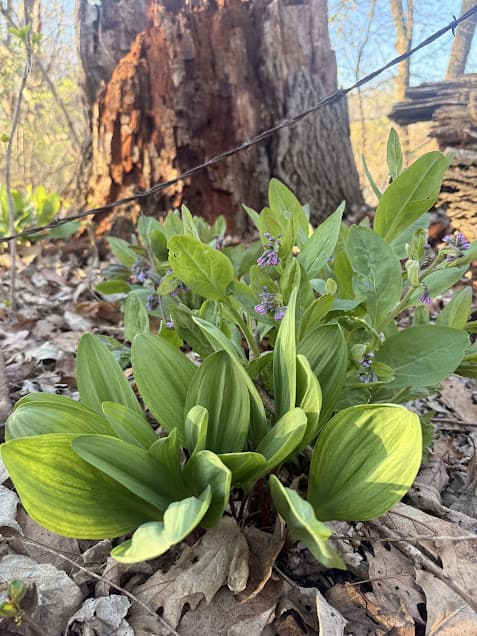
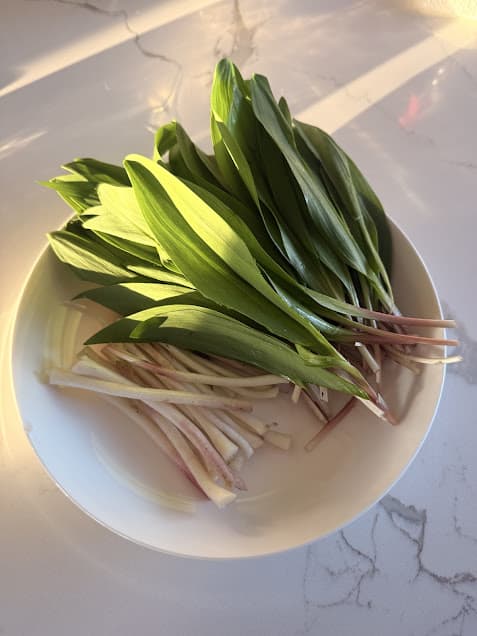
Ramps have a broad, green leaf that looks similar in shape to a bluebell leaf. The ramp species Allium tricoccum can be identified by the pinkish-red color of the stem below the leaf. Another variety, Allium tricoccum burdickii, has white or green stems and narrower leaves. A. tricoccum burdickii is the “wild onion” that grows in the upper Midwest. The two species differ in taste, and A. tricoccum is definitely the preferred plant to cook with.
Both the leaves and bulbs of A. tricoccum are edible! However, many people only harvest the leaves for sustainability reasons. Besides, the leaves hold many of the same flavors as the bulbs do.
Foraging and eating seasonal wild plants is extra appealing today when you can purchase any product from anywhere in the world at any time. I think it’s good for our modern brains to harvest and consume seasonal wild plants. It is a gift to find them, and there is no guarantee they’ll be there next year.
Ethical Ramp Harvest
There is a whole lot of robust debate about the ethics of harvesting ramps. These wild leeks have gained popularity among foragers and restaurant chefs in recent years, resulting in an increase in harvest. Some national parks and other publicly owned land where taking possession of plants or animals is prohibited also deal with a rather substantial poaching issue when it comes to ramps.
Be sure to check the regulations surrounding ramp harvest before you take them. It is illegal to harvest ramps on public land in Michigan, and other states have “bag limits” on ramp collection. Ramps are slow-growing plants and can take anywhere from three to eight years to reach maturity. As a result, over-harvesting can result in localized reductions or eradications of ramp populations. It can take decades for a ramp population to recover from overharvest.
Always leave some plants in a patch unscathed during your foraging. Some people recommend cutting off only one leaf from a plant to use. Others recommend cutting the plant with a knife above the roots to leave them in the ground. If you have a private patch of ramps and intend to only take some of the plants, it is perfectly fine to dig out the entire plant.
It is possible to cultivate your own ramps in a garden, as well! Patience is key here, but overall ramps are fairly low-maintenance to grow.
Cooking Wild Ramps
Both the leaves and bulbs of ramps can be eaten. The leaves, wilted, are delicious. Many people only harvest the leaves in the spirit of sustainability, but they have just as much flavor as the lower parts of the plants.
You can dehydrate them and turn them into powder, incorporate ramps into butter, sauces and homemade spices.
The easiest and most common way to cook wild ramps is to saute the leaves and bulbs in butter. After harvesting your ramps, wash them in cool water to remove dirt and loose outer layers of plant material. They can be stored in the fridge, but only for a couple of days before they go bad. If you can’t use them right away, wash and freeze them in an airtight bag or container.
A Simple Wild Ramps Supper
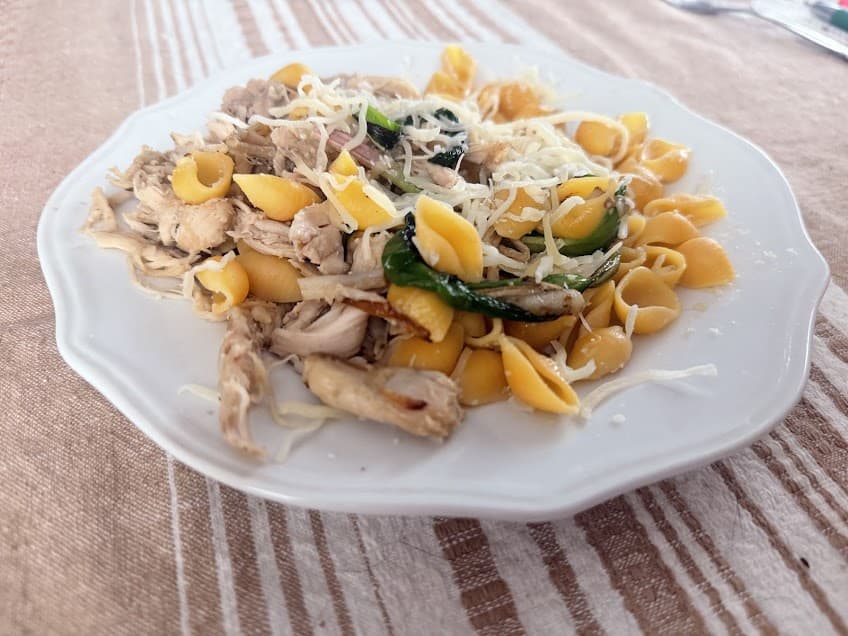
I made a simple ramp supper by sauteing the bulbs in butter, adding the leaves to wilt at the end (they wilted quickly!). I served the ramps on top of pasta with parmesan cheese and some shredded chicken thighs I had made in the Crock Pot earlier. Bacon on top would have made it perfect. It was such a good spring supper even though we still have snow on the ground.
No official recipe written out here because I didn’t measure anything, but you get the gist! Make it your own and enjoy!

Pingback: Wild Game Recipe: Antelope Ravioli Bake - the lupine